
Page 1
UNIX is a trademark of The Open Group. POSIX is a trademark of IEEE. Rationale for International Standard— Programming Languages— C Revision 5.10 April-2003
An explanatory rationale for the C programming language standard, Revision 5.10, dated April 2003. It summarizes deliberations of INCITS J11 and SC22 WG14, focusing on additions, clarifications, and changes leading to C99 while retaining material from the C89 rationale. Topics include portability, conformance, execution environments, types, conversions, expressions, language syntax, library facilities, floating-point arithmetic, and multibyte support. The document explicitly states that it is not part of the Standard. The supplied excerpt includes the contents and body text through part of section 6.5.4, Cast operators.
The first 5 pages, shown as text so search engines and readers can find this document.
UNIX is a trademark of The Open Group. POSIX is a trademark of IEEE. Rationale for International Standard— Programming Languages— C Revision 5.10 April-2003
Contents ii 0. Introduction ............................................................................................................................1 0.1 Organization of the document ......................................................................................5 1. Scope ......................................................................................................................................7 2. Normative References ............................................................................................................9 3. Terms and definitions...........................................................................................................115 4. Conformance ........................................................................................................................13 5. Environment .........................................................................................................................15 5.1 Conceptual models......................................................................................................15 5.1.1 Translation environment.................................................................................15 5.1.2 Execution environments .................................................................................1710 5.2 Environmental considerations ....................................................................................19 5.2.1 Character sets..................................................................................................19 5.2.2 Character display semantics ...........................................................................23 5.2.3 Signals and interrupts .....................................................................................24 5.2.4 Environmental limits ......................................................................................2415 6. Language ..............................................................................................................................31 6.2 Concepts .....................................................................................................................31 6.2.1 Scopes of identifiers .......................................................................................31 6.2.2 Linkages of identifiers ....................................................................................32 6.2.3 Name spaces of identifiers..............................................................................3420 6.2.4 Storage durations of objects............................................................................34 6.2.5 Types...............................................................................................................36 6.2.6 Representations of types .................................................................................43 6.2.7 Compatible type and composite type..............................................................43 6.3 Conversions ................................................................................................................4425 6.3.1 Arithmetic operands........................................................................................44 6.3.1.6 Complex types ................................................................................................46 6.3.1.7 Real and complex ...........................................................................................46 6.3.2 Other operands................................................................................................48 6.4 Lexical Elements ........................................................................................................4930 6.4.1 Keywords........................................................................................................50 6.4.2 Identifiers........................................................................................................50 6.4.3 Universal character names..............................................................................51 6.4.4 Constants.........................................................................................................51 6.4.5 String literals...................................................................................................5535 6.4.6 Punctuators .....................................................................................................57 6.4.7 Header names..................................................................................................57 6.4.8 Preprocessing numbers ...................................................................................57 6.4.9 Comments .......................................................................................................58 6.5 Expressions .................................................................................................................5840 6.5.1 Primary expressions........................................................................................61 6.5.2 Postfix operators .............................................................................................61 6.5.3 Unary operators ..............................................................................................64 6.5.4 Cast operators .................................................................................................66
Contents iii 6.5.5 Multiplicative operators..................................................................................67 6.5.6 Additive operators ..........................................................................................67 6.5.7 Bitwise shift operators ....................................................................................68 6.5.8 Relational operators ........................................................................................69 6.5.9 Equality operators...........................................................................................695 6.5.15 Conditional operator .......................................................................................69 6.5.16 Assignment operators .....................................................................................69 6.5.17 Comma operator .............................................................................................71 6.6 Constant expressions ..................................................................................................71 6.7 Declarations ................................................................................................................7210 6.7.1 Storage-class specifiers...................................................................................72 6.7.2 Type specifiers................................................................................................72 6.7.3 Type qualifiers ................................................................................................75 6.7.4 Function specifiers..........................................................................................80 6.7.5 Declarators......................................................................................................8115 6.7.6 Type names.....................................................................................................87 6.7.7 Type definitions ..............................................................................................87 6.7.8 Initialization....................................................................................................88 6.8 Statements and blocks.................................................................................................90 6.8.1 Labeled statements..........................................................................................9120 6.8.2 Compound statement ......................................................................................92 6.8.3 Expression and null statements.......................................................................92 6.8.4 Selection statements........................................................................................92 6.8.5 Iteration statements.........................................................................................93 6.8.6. Jump statements..............................................................................................9425 6.9 External definitions.....................................................................................................95 6.9.1 Function definitions ........................................................................................95 6.9.2 External object definitions..............................................................................97 6.10 Preprocessing directives .............................................................................................97 6.10.1 Conditional inclusion......................................................................................9730 6.10.2 Source file inclusion .......................................................................................98 6.10.3 Macro replacement .........................................................................................99 6.10.4 Line control...................................................................................................105 6.10.5 Error directive...............................................................................................105 6.10.6 Pragma directive ...........................................................................................10535 6.10.7 Null directive ................................................................................................105 6.10.8 Predefined macro names...............................................................................106 6.10.9 Pragma operator............................................................................................106 6.11 Future language directions........................................................................................106 6.11.1 Floating types................................................................................................10740 6.11.2 Linkages of identifiers ..................................................................................107 6.11.3 External names..............................................................................................107 6.11.4 Character escape sequences..........................................................................107 6.11.5 Storage-class specifiers.................................................................................107 6.11.6 Function declarators......................................................................................10745 6.11.7 Function definitions ......................................................................................108 6.11.8 Pragma directives..........................................................................................108 6.11.9 Predefined macro names...............................................................................108
Contents iv 7. Library................................................................................................................................109 7.1 Introduction...............................................................................................................109 7.1.1 Definitions of terms ......................................................................................111 7.1.2 Standard headers...........................................................................................111 7.1.3 Reserved identifiers ......................................................................................1125 7.1.4 Use of library functions ................................................................................112 7.2 Diagnostics <assert.h> ......................................................................................113 7.2.1 Program diagnostics......................................................................................113 7.3 Complex arithmetic <complex.h> .......................................................................114 7.3.5 Trigonometric functions ...............................................................................11510 7.3.6 Hyperbolic functions ....................................................................................116 7.3.7 Exponential and logarithmic functions.........................................................117 7.3.8 Power and absolute-value functions .............................................................117 7.3.9 Manipulation functions.................................................................................118 7.4 Character handling <ctype.h> .............................................................................11815 7.4.1 Character classification functions.................................................................118 7.4.2 Character case mapping functions ................................................................119 7.5 Errors <errno.h>..................................................................................................119 7.6 Floating-point environment <fenv.h> ..................................................................120 7.6.1 The FENV_ACCESS pragma........................................................................12220 7.6.2 Floating-point exceptions .............................................................................122 7.6.3 Rounding.......................................................................................................122 7.6.4 Environment .................................................................................................123 7.7 Characteristics of floating types <float.h>.........................................................123 7.8 Format conversion of integer types <inttypes.h>.............................................12425 7.9 Alternate spellings <iso646.h> ...........................................................................124 7.10 Sizes of integer types <limits.h> .......................................................................125 7.11 Localization <locale.h> .....................................................................................125 7.11.1 Locale control ...............................................................................................127 7.11.2 Numeric formatting convention inquiry .......................................................12730 7.12 Mathematics <math.h> .........................................................................................127 7.12.1 Treatment of error conditions .......................................................................128 7.12.2 The FP_CONTRACT pragma........................................................................130 7.12.3 Classification macros....................................................................................130 7.12.4 Trigonometric functions ...............................................................................13135 7.12.6 Exponential and logarithmic functions.........................................................132 7.12.7 Power and absolute-value functions .............................................................134 7.12.8 Error and gamma functions ..........................................................................134 7.12.9 Nearest integer functions ..............................................................................135 7.12.10 Remainder functions.................................................................................13640 7.12.11 Manipulation functions.............................................................................137 7.12.12 Maximum, minimum, and positive difference functions..........................138 7.12.13 Floating multiply-add ...............................................................................138 7.12.14 Comparison macros ..................................................................................138 7.13 Nonlocal jumps <setjmp.h>................................................................................13945 7.13.1 Save calling environment .............................................................................139
Contents v 7.13.2 Restore calling environment .........................................................................140 7.14 Signal handling <signal.h> ................................................................................140 7.14.1 Specify signal handling.................................................................................141 7.14.2 Send signal....................................................................................................141 7.15 Variable arguments <stdarg.h>..........................................................................1415 7.15.1 Variable argument list access macros...........................................................142 7.16 Boolean type and values <stdbool.h>................................................................143 7.17 Common definitions <stddef.h> ........................................................................143 7.18 Integer types <stdint.h>.....................................................................................144 7.18.1 Integer types..................................................................................................14510 7.19 Input/output <stdio.h> ........................................................................................145 7.19.1 Introduction...................................................................................................146 7.19.2 Streams .........................................................................................................146 7.19.3 Files...............................................................................................................148 7.19.4 Operations on files........................................................................................14815 7.19.5 File access functions .....................................................................................149 7.19.6 Formatted input/output functions .................................................................151 7.19.7 Character input/output functions ..................................................................155 7.19.8 Direct input/output functions........................................................................157 7.19.9 File positioning functions .............................................................................15720 7.19.10 Error-handling functions...........................................................................158 7.20 General Utilities <stdlib.h>...............................................................................158 7.20.1 Numeric conversion functions......................................................................158 7.20.2 Pseudo-random sequence generation functions............................................160 7.20.3 Memory management functions ...................................................................16025 7.20.4 Communication with the environment .........................................................162 7.20.5 Searching and sorting utilities ......................................................................164 7.20.6 Integer arithmetic functions..........................................................................164 7.20.7 Multibyte/wide character conversion functions............................................165 7.20.8 Multibyte/wide string conversion functions .................................................16530 7.21 String handling <string.h>.................................................................................165 7.21.1 String function conventions..........................................................................165 7.21.2 Copying functions.........................................................................................165 7.21.3 Concatenation functions ...............................................................................166 7.21.4 Comparison functions...................................................................................16635 7.21.5 Search functions............................................................................................166 7.21.6 Miscellaneous functions ...............................................................................167 7.22 Type-generic math <tgmath.h> ...........................................................................167 7.23 Date and time <time.h>........................................................................................169 7.23.1 Components of time......................................................................................16940 7.23.2 Time manipulation functions........................................................................169 7.23.3 Time conversion functions ...........................................................................171 7.24 Extended multibyte and wide character utilities <wchar.h> ................................171 7.25 Wide character classification and mapping utilities <wctype.h> ........................171 7.26 Future library directions ...........................................................................................17245 8. Annexes..............................................................................................................................173
Doxxly editorial guide
This guide helps you understand the scope of Rationale for International Standard - Programming Languages - C, Revision 5.10, April 2003 before or alongside reading the original document. It is based on the catalogue record, credited creator, source, classification and topics shown on this page. It does not replace the original work and does not invent claims about passages that Doxxly cannot verify.
Rationale for International Standard - Programming Languages - C, Revision 5.10, April 2003 is a 224-page documentcredited to Mira N. Ellwood. An explanatory rationale for the C programming language standard, Revision 5.10, dated April 2003. It summarizes deliberations of INCITS J11 and SC22 WG14, focusing on additions, clarifications, and changes leading to C99 while retaining material from the C89 rationale. Topics include portability, conformance, execution environments, types, conversions, expressions, language syntax, library facilities, floating-point arithmetic, and multibyte support. The document explicitly states that it is not part of the Standard. The supplied excerpt includes the contents and body text through part of section 6.5.4, Cast operators. It appears in the Technology & Security collection, which groups it with other material that readers may use for comparison and further study.
The item can be approached in several ways. A reader looking for a quick orientation can begin with the free five-page preview, inspect the page structure and use the metadata to judge relevance. Someone undertaking deeper research can work through the complete file, search its indexed text, record useful page references and compare its treatment of C programming language, C99, Standards rationale, Portability, Language semantics, Standard library, Floating-point arithmetic, Internationalization with the related resources linked below.
Rather than reducing the work to a single claim, this page treats it as a source that should be read in context. The title, creator, publication source, licence and format all help explain what kind of evidence it may offer. Readers should distinguish the original author's statements from Doxxly's catalogue description, and should cite the original edition when using the material in academic, professional or published work.
The catalogue connects this document with C programming language, C99, Standards rationale, Portability, Language semantics, Standard library, Floating-point arithmetic, Internationalization. These terms offer practical entry points rather than a substitute for close reading. Start by identifying the definitions, examples, arguments, tables or visual explanations attached to each topic. Then note where the creator draws connections, makes distinctions or moves from background material to a conclusion, recommendation, calculation or narrative development.
A useful reading method is to separate description from interpretation. First record what the item actually presents: names, headings, figures, formulas, quotations or stated propositions. Next consider why those details matter within the whole work. Finally compare them with another source from the same subject area. This process helps turn a long digital file into evidence that can be evaluated rather than merely skimmed.
The following is an editorial content guide based on the verified catalogue topics. It is not represented as the original author's formal table of contents. Use it to organise notes while moving through the 224 pages in the player.
Use this section of the reading guide to identify how C programming language appears in Rationale for International Standard - Programming Languages - C, Revision 5.10, April 2003, note important terms, and connect the subject to the wider purpose of the work.
Use this section of the reading guide to identify how C99 appears in Rationale for International Standard - Programming Languages - C, Revision 5.10, April 2003, note important terms, and connect the subject to the wider purpose of the work.
Use this section of the reading guide to identify how Standards rationale appears in Rationale for International Standard - Programming Languages - C, Revision 5.10, April 2003, note important terms, and connect the subject to the wider purpose of the work.
Use this section of the reading guide to identify how Portability appears in Rationale for International Standard - Programming Languages - C, Revision 5.10, April 2003, note important terms, and connect the subject to the wider purpose of the work.
Use this section of the reading guide to identify how Language semantics appears in Rationale for International Standard - Programming Languages - C, Revision 5.10, April 2003, note important terms, and connect the subject to the wider purpose of the work.
Use this section of the reading guide to identify how Standard library appears in Rationale for International Standard - Programming Languages - C, Revision 5.10, April 2003, note important terms, and connect the subject to the wider purpose of the work.
Use this section of the reading guide to identify how Floating-point arithmetic appears in Rationale for International Standard - Programming Languages - C, Revision 5.10, April 2003, note important terms, and connect the subject to the wider purpose of the work.
Use this section of the reading guide to identify how Internationalization appears in Rationale for International Standard - Programming Languages - C, Revision 5.10, April 2003, note important terms, and connect the subject to the wider purpose of the work.
When a heading in the original differs from this guide, follow the original heading in your citation. Page numbers can also vary between editions. Doxxly's direct page field is useful for navigation, but formal references should include the title, creator, source and edition details available in the file itself.
Doxxly credits Mira N. Ellwood as the author or creator of Rationale for International Standard - Programming Languages - C, Revision 5.10, April 2003. This page does not add an unverified biography, job title or institutional affiliation. The attribution is preserved so readers can distinguish the creator from the hosting library and follow the original record when an external author link is available.
Author context matters because a work reflects a particular purpose, audience and point of view. Before relying on the material, consider what the creator set out to explain, when the source was produced and whether later research or revised guidance should also be consulted. For literature and philosophy, compare translations and editions; for technical material, check whether a newer version has superseded the one shown here.
The recorded source for this item is open-std.org. Doxxly provides access and discovery tools but does not claim to be the original publisher unless explicitly stated. Source links, creator attribution and the recorded Publicly available file collected for editorial review licence are displayed to help readers assess provenance and permitted use.
Provenance is especially important for reports, standards, presentations and working spreadsheets. Check the original source for amendments, supporting files and current policy. A trustworthy research workflow keeps the source URL with any notes or downloaded copy, verifies important figures against the original, and avoids treating an archived document as automatically current.
Visit open-std.orgBegin with the title and opening pages, then use the guide above to decide whether to read sequentially or move to a particular topic. The Doxxly player provides previous and next navigation, a direct page field, zoom steps, fit-to-width and fit-to-page modes, rotation and fullscreen. These controls are useful when a page contains small type, a wide table, an image, a scanned layout or a dense sequence of notes.
The first five pages are open to every visitor. A plan unlocks the complete item and full-document search. Search is best used for distinctive names, technical terms or short phrases; broad words can produce too many possible contexts. When you find a useful passage, read the surrounding pages so that a sentence, chart or formula is not separated from its explanation.
If downloading is enabled, members can obtain the original PDF file. Keep the original format when formulas, slide sequencing, pagination or layout carries meaning. Respect the Publicly available file collected for editorial review terms displayed on this page, and use the rights-report link if you believe the attribution or availability needs review.
As you read Rationale for International Standard - Programming Languages - C, Revision 5.10, April 2003, ask which audience the creator addresses, what problem or idea organises the work, what evidence is presented, and which assumptions remain unstated. Note whether important terms are defined consistently and whether examples represent a broader pattern or a narrow case. For quantitative material, record units, time periods, formulas and data sources. For interpretive material, separate the creator's language from your own summary.
A second set of questions concerns relevance today. Which parts remain durable, which depend on their historical or institutional setting, and what would need confirmation from a newer source? Following the tags and the Technology & Security collection can reveal useful comparisons. Agreement between sources can strengthen confidence, while disagreement can point to changing definitions, methods, evidence or priorities.
Finally, decide what you need from the item: background knowledge, a quotation, a worked example, a model, a visual explanation or a starting bibliography. That purpose should guide the depth of reading and the notes you keep. Doxxly helps locate and navigate the source; careful interpretation remains the reader's responsibility.
Practical answers about reading, downloading and understanding this document on Doxxly.
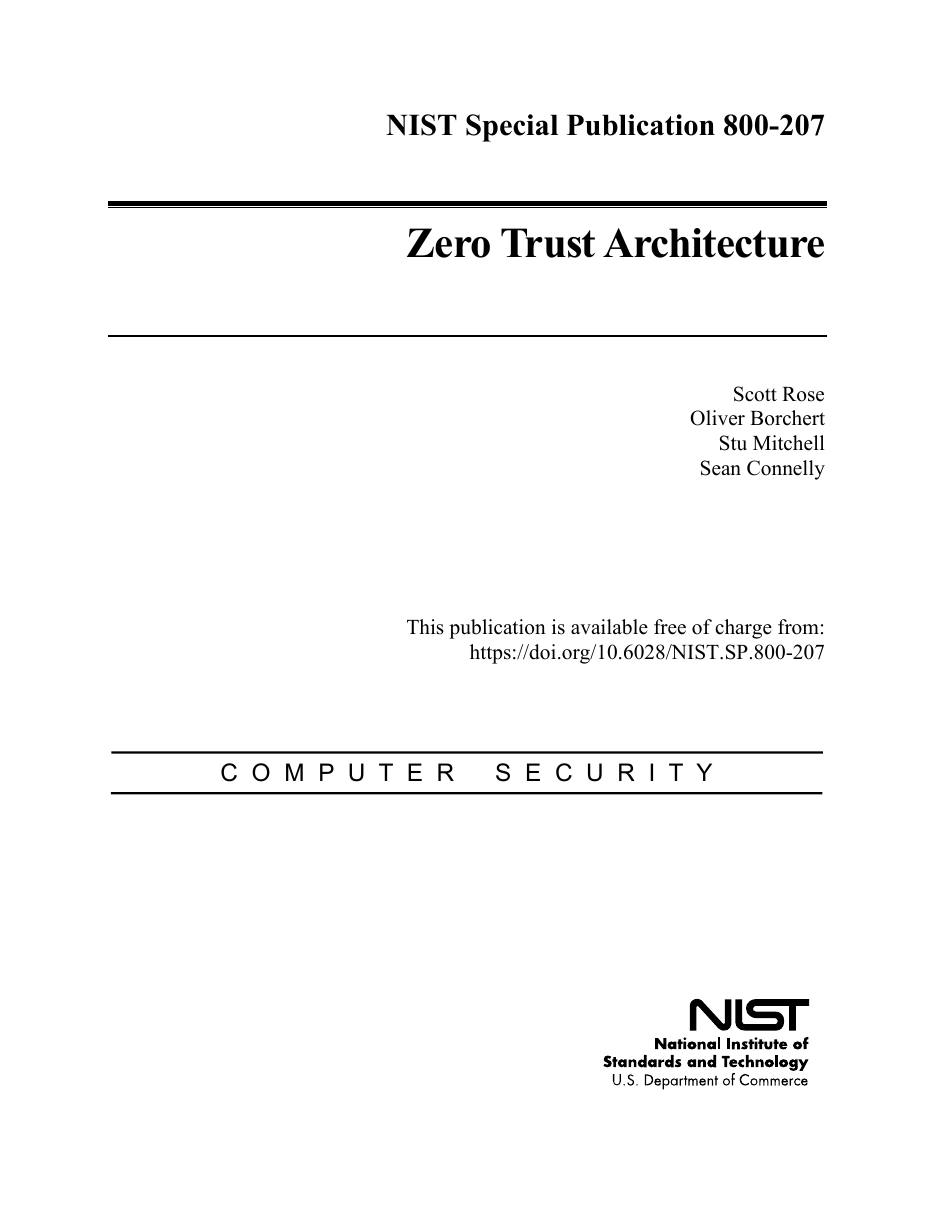
National Institute of Standards and Technology
National Institute of Standards and Technology
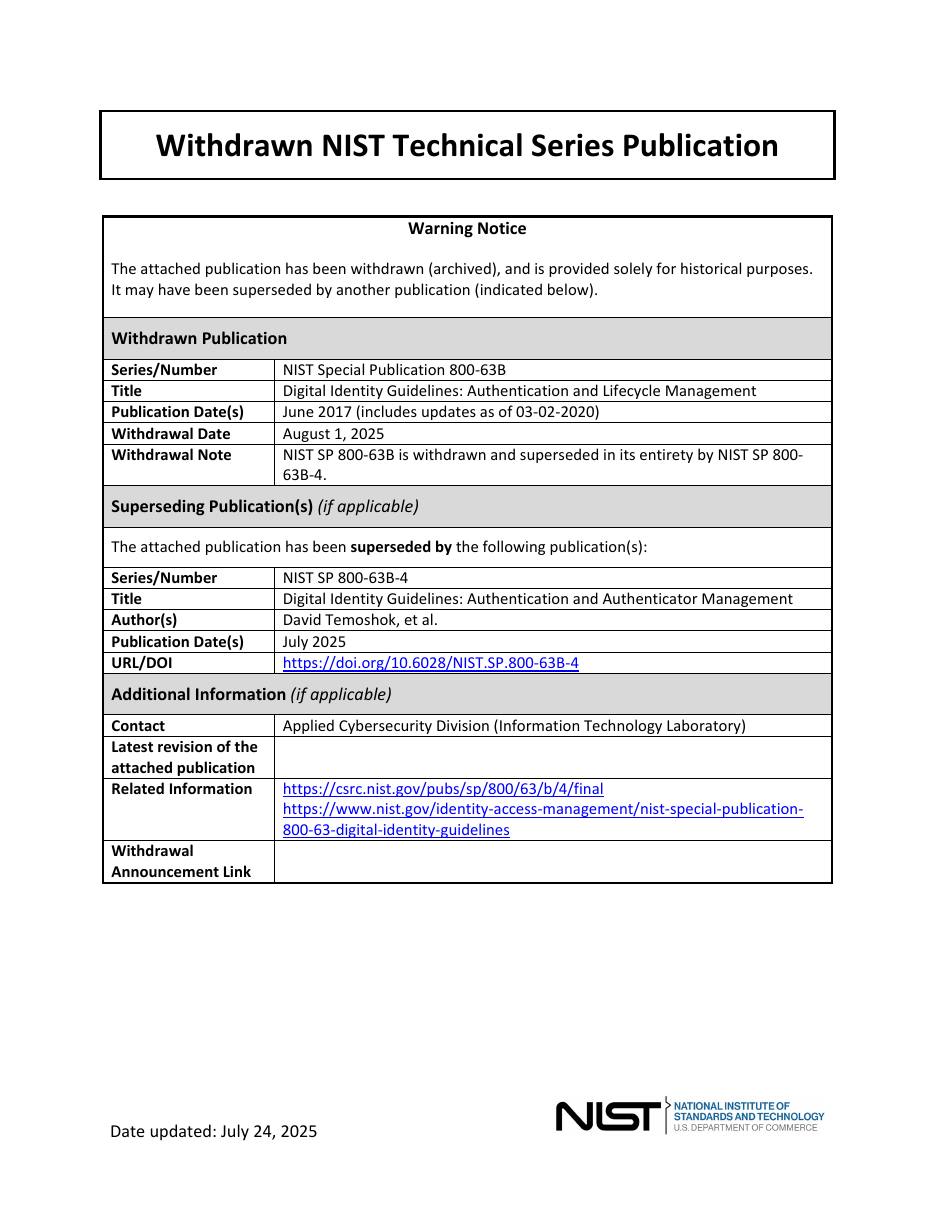
National Institute of Standards and Technology
National Institute of Standards and Technology
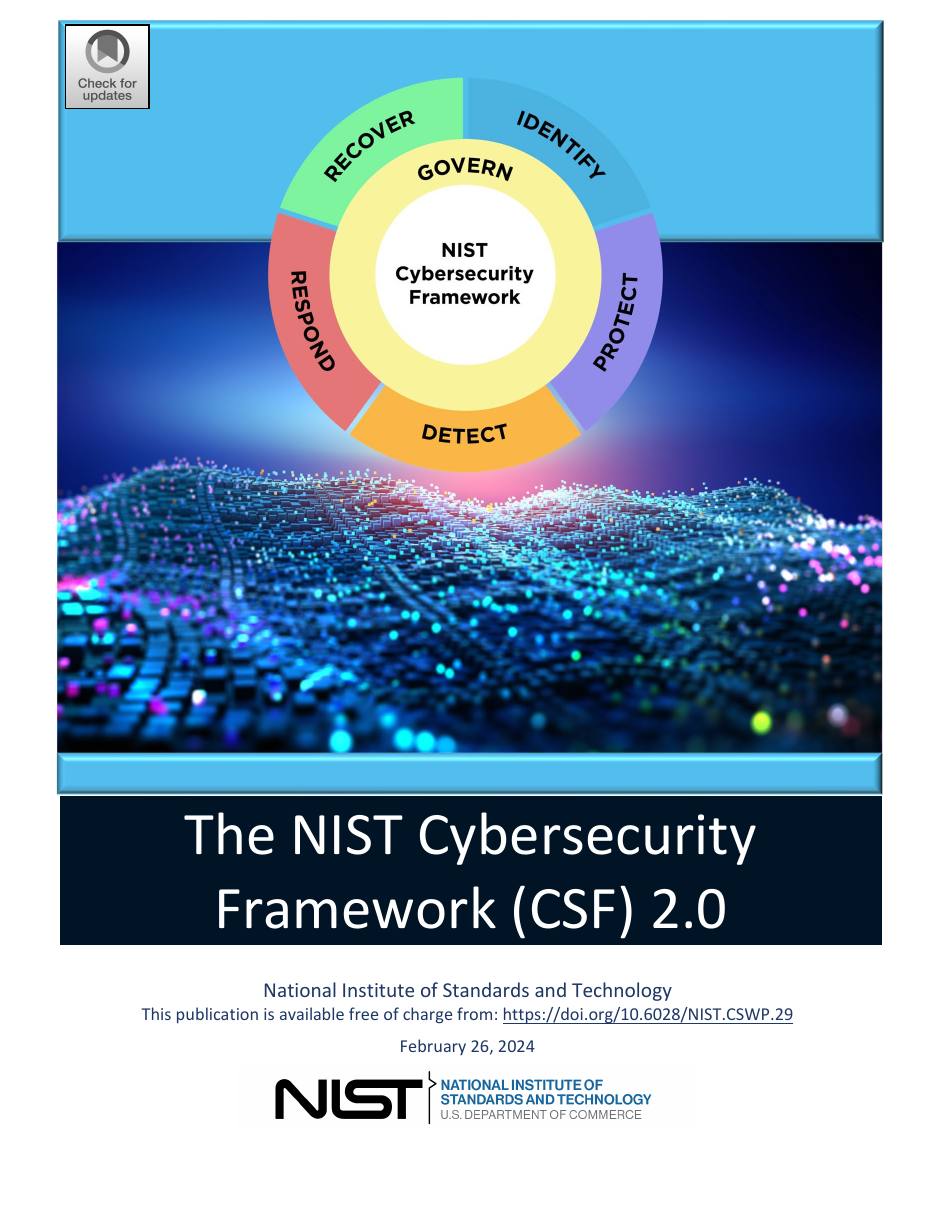
National Institute of Standards and Technology
National Institute of Standards and Technology